


Tragedy Faced in Nursing Home After Hurricane Irma
In times of crisis, reliable nursing home care is more crucial than ever. With residents already in need of living assistance, natural disasters only intensify reliance on their caretakers. In the wake of Hurricane Irma, a nursing home tragedy occurred. Although the storm weakened and lessened the damage, the lack of electricity after caused the usual Florida heat to be that much more intensified. Eight Hollywood nursing home residents died after Irma left the building without air conditioning and in sweltering heat. It is devastating to think of the oven-like conditions that the residents had to endure after the severe storm hit Florida. Nursing homes & Adult Living Facilities (ALFs) are legally responsible for the safety of their patients and residents have certain rights and protections to ensure that suitable care and services are provided to them. As South Florida natives, we are no stranger to hurricanes and the subsequent preparations pre- and post-storm. Nursing homes need to have a system in place that ensures all staff and residents will be safe during the storm. Having a working plan to keep residents and patients safe is a requirement for Florida’s licensed health care facilities such as nursing homes, assisted living facilities and hospices. State law requires the facilities’ management plan to include: Risk assessment and planning Policies and procedures Communication plan Training and testing Plans should include things like how people will be evacuated in the case of emergency, plans for food and water, establishing who is in charge during an emergency, etc. It can be emotionally painful and difficult to place a loved one in a nursing home but once...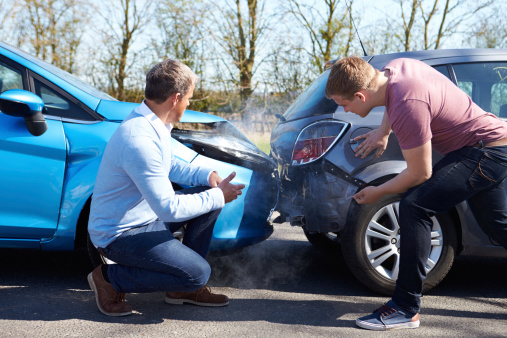
Car Insurance and Personal Injury Claims
When a personal injury claim is related to an auto accident, car insurance is typically the first line of defense for both injured parties and those legally responsible for the injuries. In most cases, the injured party is able to recover for their injuries simply by filing a claim against the responsible party through the responsible party’s auto insurer. Assuming the responsible party’s insurer pays out and the policy offers enough coverage to pay the claim in full, the process can stop there. Injured parties may also have the option of making a claim for their injuries with their own insurer depending on the coverage they carry. Either way, throwing car insurance into the mix of a personal injury claim can substantially affect the process and outcome of the claim. Understanding Car Liability Coverage Liability coverage is the portion of your policy that pays for other’s injuries in an auto accident that you cause. Liability coverage has several different aspects to it, including property damage you cause to the other party in an at-fault accident. However, the portions relevant to personal injury claims are bodily injury liability limit per person injured, and bodily injury liability limit per accident. Bodily injury per person injured sets a maximum benefit for each party who is injured in an accident you cause, up to the limit of your policy. Bodily injury per accident sets a limit for what the insurer will pay for all the injuries associated with one accident. Where you might run into trouble as a plaintiff or as the responsible party is if your per-person or per-accident limits fail to cover the total...
Top 4 Largest Personal Injury Settlements on Record
Personal injury cases are no joke. Some people who survive these injuries never regain the quality of life they had before, and many people don’t survive long enough to see a settlement. If money is indicative of wrongdoing, then the damages these plaintiffs earned on personal injury cases show just how difficult their lives became. Though money can’t right the wrongs of a personal injury case, at least the legal system did not fail these plaintiffs. $150 Billion: Robbie Middleton In an astoundingly large personal injury settlement, a Texas jury gave $150 billion to the family of a boy who was badly burned. Robert Middleton, known by the nickname Robbie, was sexually assaulted, then burned by the same person a few weeks later. This happened in 1998, when Robbie was just 8 years old. Twelve years later, after extensive skin treatments because of the third-degree burns over his body, Robbie Middleton died from skin cancer. His family pursued justice, partly to get the county to admit that Robbie was sexually assaulted and to charge the assailant. $4.9 Billion: The Anderson Family In 1993, a Chevy Malibu exploded after being rear-ended. Two adults and four children were in the car when it started to burn. Though the adults escaped, the children were badly injured. One was burned over 70 percent of her body. The family sued GM, and though the award amount was reduced, they walked away with billions. At the time this case was settled in 1999, it was the biggest personal injury award in the country that year. The case lasted for years, though, with initial filing starting...
Celebrity Personal Injury Cases
Personal injury cases happen to everyone, including celebrities. Though the parties involved can be tight-lipped about the legal proceedings themselves, news sources still manage to dig up interesting information about these cases. From falling through trapdoors to getting hit with falling backdrops, celebrities and those close to them have suffered some serious injuries in the pursuit of fame. Adrian Bailey vs. Disney In 2008, a cast member of the Broadway performance of “The Little Mermaid” fell through a trapdoor. Adrian Bailey, the injured party, broke his back, pelvis, sternum, wrists, and foot. He said that there weren’t warnings about the trapdoor, which could have prevented him falling through. Lawyers filed several lawsuits, including one against Nicson, the manufacturer of the automated trapdoor, and one against Disney. Nicson was found not liable because “human error” and not a design defect was the reason the trapdoor was open. Brett Michaels vs. CBS In 2011, Brett Michaels, lead singer of the band Poison, sued CBS and the Tony Awards for an injury he sustained during a show in 2009. During the Tony Awards that year, he was exiting the stage at Radio City Music Hall, and a backdrop came down on his head. Michaels ended up with three stitches in his lip and a broken nose. He said that, though he asked for details on how to exit the stage, he didn’t have the right information, which is why the backdrop came down on him. In 2010, Michaels had a brain hemorrhage and felt the 2009 injury was part of the cause. Neither party in the lawsuit would give details about the...
New Florida Bill May Increase Personal Injury Damages Awards
The Florida Senate currently has a bill involving personal injury and medical bills pending a vote on the floor. Though it hasn’t been passed into law yet, the bill could have ramifications on how much plaintiffs receive in personal injury cases. In short, by changing the structure of the lawsuit and what kind of medical bill information can be admitted into evidence, the bill makes it potentially easier for plaintiffs to see an increase in damages in these cases going forward. Florida Senate Bill 0384 In March of 2017, the Florida Senate Rules Committee voted 10-1 to pass a medical malpractice bill to general voting on the Senate floor. The bill, number 384, faces opposition from the Florida Chamber of Commerce and several prominent businesses in Florida. This bill discusses how to calculate the damages incurred during some medical malpractice and wrongful death suits. Specifics on health and medical care costs will not be admissible as evidence if the bill passes the Florida Senate. What Is Prejudgment Interest? Part of the bill deals with prejudgment interest. Prejudgment interest is damages that the plaintiff gets if they win, and the number is determined when a trial begins. Upon winning, the plaintiff gets that prejudgment interest. Currently, plaintiffs in medical malpractice and wrongful death suits don’t get prejudgment interest. Calculating damages in a medical case is difficult, thanks to the complex nature of the cost of medical treatment and medical bills. How Are Medical Bills Involved? For one thing, medical bills aren’t the same across the board. Different healthcare providers have entirely separate structures for pricing the services they offer. Medical...Have a question? Give us a call.
1-800-ASK-FREE (275-3733)
