

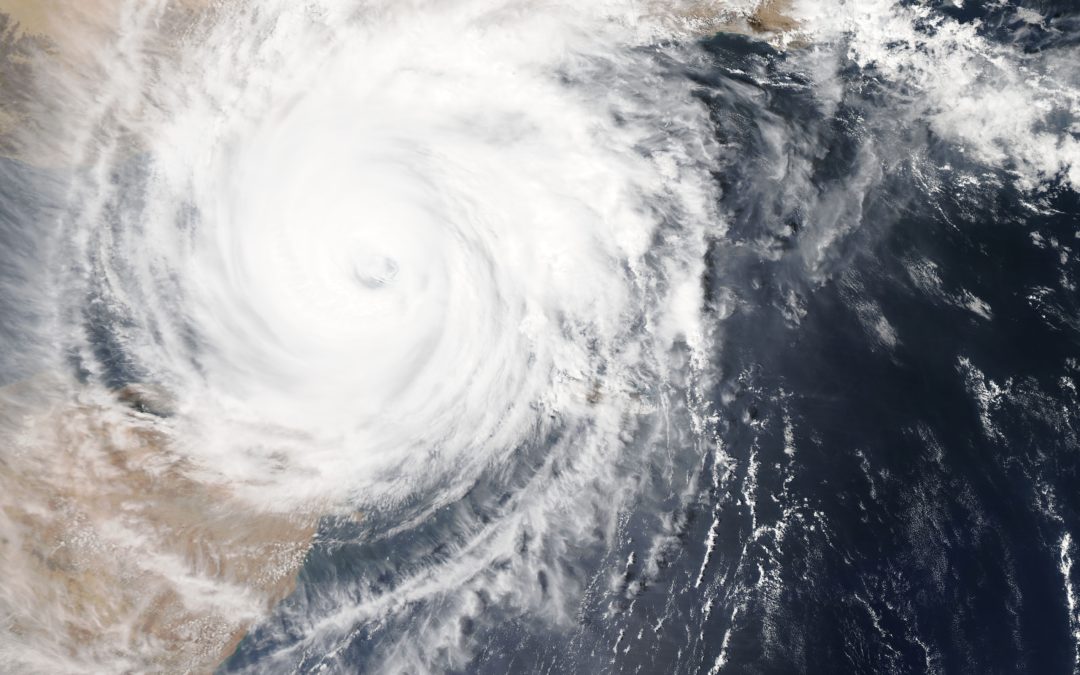
Tragedy Faced in Nursing Home After Hurricane Irma
In times of crisis, reliable nursing home care is more crucial than ever. With residents already in need of living assistance, natural disasters only intensify reliance on their caretakers. In the wake of Hurricane Irma, a nursing home tragedy occurred. Although the storm weakened and lessened the damage, the lack of electricity after caused the usual Florida heat to be that much more intensified. Eight Hollywood nursing home residents died after Irma left the building without air conditioning and in sweltering heat. It is devastating to think of the oven-like conditions that the residents had to endure after the severe storm hit Florida. Nursing homes & Adult Living Facilities (ALFs) are legally responsible for the safety of their patients and residents have certain rights and protections to ensure that suitable care and services are provided to them. As South Florida natives, we are no stranger to hurricanes and the subsequent preparations pre- and post-storm. Nursing homes need to have a system in place that ensures all staff and residents will be safe during the storm. Having a working plan to keep residents and patients safe is a requirement for Florida’s licensed health care facilities such as nursing homes, assisted living facilities and hospices. State law requires the facilities’ management plan to include: Risk assessment and planning Policies and procedures Communication plan Training and testing Plans should include things like how people will be evacuated in the case of emergency, plans for food and water, establishing who is in charge during an emergency, etc. It can be emotionally painful and difficult to place a loved one in a nursing home but once...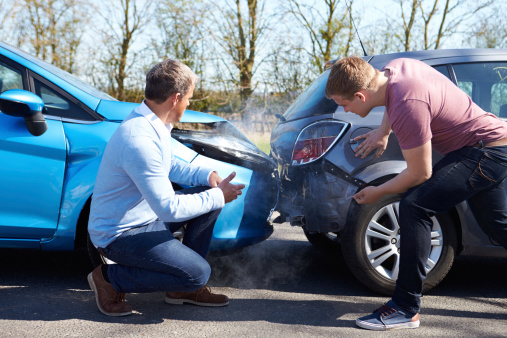
Car Insurance and Personal Injury Claims
When a personal injury claim is related to an auto accident, car insurance is typically the first line of defense for both injured parties and those legally responsible for the injuries. In most cases, the injured party is able to recover for their injuries simply by filing a claim against the responsible party through the responsible party’s auto insurer. Assuming the responsible party’s insurer pays out and the policy offers enough coverage to pay the claim in full, the process can stop there. Injured parties may also have the option of making a claim for their injuries with their own insurer depending on the coverage they carry. Either way, throwing car insurance into the mix of a personal injury claim can substantially affect the process and outcome of the claim. Understanding Car Liability Coverage Liability coverage is the portion of your policy that pays for other’s injuries in an auto accident that you cause. Liability coverage has several different aspects to it, including property damage you cause to the other party in an at-fault accident. However, the portions relevant to personal injury claims are bodily injury liability limit per person injured, and bodily injury liability limit per accident. Bodily injury per person injured sets a maximum benefit for each party who is injured in an accident you cause, up to the limit of your policy. Bodily injury per accident sets a limit for what the insurer will pay for all the injuries associated with one accident. Where you might run into trouble as a plaintiff or as the responsible party is if your per-person or per-accident limits fail to cover the total...
How to Be Safe During Hurricane Irma
Natural disasters are unfortunately unavoidable but with current forecasts we are lucky enough to know ahead of time and take the necessary precautions to stay safe. With Hurricane Irma’s current projections, the state of Florida might be experiencing winds of 185 mph. It is important to prepare and be knowledgeable on staying as safe as possible. The biggest threat to personal safety is the high winds that can topple trees and cause debris to fly. Heavy rain is also a huge threat because it can cause flash floods and storm surges. If you plan to stay at home during the hurricane, follow these 7 tips to ensure personal safety: Stay inside and away from windows and glass doors. Protect windows with plywood or storm shutters. Secure outside objects. Remove all loose objects surrounding your house. Any patio furniture, backyard décor or barbeques that could be lifted by strong winds should be put away or tied down to avoid any damage to properties or risk personal injury. If flooding threatens a home, turn off your home’s electricity main breaker. Have a secure room available. If the storm passes over your home, stay put in a room without windows. Beware of lightning. Don’t take a bath/shower and refrain from using electrical equipment during the storm. Make sure to have a first aid kit, fuel, food and plenty of water for each member of the household. Evacuate if alerted to do so and know your evacuation routes ahead of time. Hurricanes are very powerful and uncontrollable but you can do your best to prepare for them and prevent personal injuries. Contact us...
Social Media’s Effect on Personal Injury Cases
You already know that your social media profile can affect whether or not you get a job interview and how you appear to friends and family. But if you’re suing for personal injury, your social media profile could get in the way. Any post, no matter how benign it seems, might undermine a personal injury case in very damaging ways. If your profile isn’t private already, log in and make it so now. Social Media Profiles Can Show You’re Healthy If you’re filing a personal injury case after something like a car accident, part of your case is going to be physical trauma your body suffered. You might have mobility issues, broken bones, or other problems that impede your ability to go about life easily. However, sometimes social media pictures make you look healthy or able-bodied. Whether or not the pictures truly show the reality of your situation doesn’t matter. If the judge sees the pictures and feels you’re physically well, your case might get thrown out. That happened to a woman named Fotini Kourtesis, whose social media pictures disproved her personal injury claim. Your Emotional State Might Come Into Play Personal injury cases also often cover mental distress that comes as a result of an accident. You might be suffering from depression, anxiety, or PTSD because of something that happened to you. Things get tricky with social media because someone snapping a photo of a rare smile, or even posting well wishes on your page, could undermine a depression claim. You need good lawyers to help you advise how to deal with your social media profile because they’ll...
Top 4 Largest Personal Injury Settlements on Record
Personal injury cases are no joke. Some people who survive these injuries never regain the quality of life they had before, and many people don’t survive long enough to see a settlement. If money is indicative of wrongdoing, then the damages these plaintiffs earned on personal injury cases show just how difficult their lives became. Though money can’t right the wrongs of a personal injury case, at least the legal system did not fail these plaintiffs. $150 Billion: Robbie Middleton In an astoundingly large personal injury settlement, a Texas jury gave $150 billion to the family of a boy who was badly burned. Robert Middleton, known by the nickname Robbie, was sexually assaulted, then burned by the same person a few weeks later. This happened in 1998, when Robbie was just 8 years old. Twelve years later, after extensive skin treatments because of the third-degree burns over his body, Robbie Middleton died from skin cancer. His family pursued justice, partly to get the county to admit that Robbie was sexually assaulted and to charge the assailant. $4.9 Billion: The Anderson Family In 1993, a Chevy Malibu exploded after being rear-ended. Two adults and four children were in the car when it started to burn. Though the adults escaped, the children were badly injured. One was burned over 70 percent of her body. The family sued GM, and though the award amount was reduced, they walked away with billions. At the time this case was settled in 1999, it was the biggest personal injury award in the country that year. The case lasted for years, though, with initial filing starting...Have a question? Give us a call.
1-800-ASK-FREE (275-3733)
