


4 Tips for Choosing a Personal Injury Lawyer
If you’ve suffered a personal injury, you need to consider the future. You may soon become saddled with endless medical bills, time off from work, and other financial considerations. Pursuing legal compensation may be necessary, and it’s critical that you select the right attorney. Throwing a dart at the phone book is an easy way to choose, but there are much better ways to proceed. Select a Local Attorney Most people turn to the internet to find just about anything nowadays, so searching for legal help is likely to fall into that category. It’s important that while cyberspace knows no physical boundaries, your future attorney’s license to practice law certainly does. Your search should immediately narrow down to those who are licensed in the state in which the injury occurred. Next, consider only those within driving distance to your place of residence. Face-to-face visits with your legal counsel will be necessary, so you don’t want to travel too far for these meetings. Find an Attorney That Specializes in Personal Injury Law firms practice in several different areas, including criminal law, divorce litigation, child custody, and tax law. Personal injury cases require specific knowledge, such as medical terminology and different types of injuries. Personal injury attorneys typically have ample trial experience, while others (such as real estate attorneys) may have none at all. They’re also good negotiators and can develop a fair out-of-court settlement on your behalf. Choose a Successful Attorney Once you’ve narrowed down your choices a bit, do research into your potential candidates. Find out how many years they’ve been practicing law. What sort of track records do...
How Not to Spend Your Settlement Money
Receiving a settlement is always nice, particularly if you’ve been drowning under medical expenses and other bills. While you may want to spend the money right away for immediate gratification, it’s dangerous to burn through the cash too fast. To make sure the money lasts, avoid these common tendencies when you receive a settlement. Spending Immediately Financial advisors generally suggest waiting six months to a year before spending a large financial settlement. It takes time to plan the best use of a significant sum of money. If you received a lump sum settlement, you may have more money than you’ve ever seen in your account before. Step back and carefully consider your options, as well as the consequences of each choice. An investment will grow your money, but you’ll have to pay taxes on the interest. If you’re undergoing long-term medical treatment for an injury, you may not have a clear picture of your medical expenses or ongoing pain management needs yet. Don’t rush to spend your settlement. Indulging in Dream Purchases With your bank account suddenly swollen, you’re probably thinking about that yacht you’ve always wanted or the dream house on the hill. While there are many smart purchases that are a worthy investment vehicle for your funds, flashy dream-buys are usually an extravagance. Buying a home can give you stability and a good real estate investment, but you shouldn’t purchase a mansion that’s beyond your ordinary means. Remember that large purchases typically come with their own ongoing expenses, such as insurance and upkeep for a boat or household maintenance and property taxes for a home. The wrong...
New Florida Bill May Increase Personal Injury Damages Awards
The Florida Senate currently has a bill involving personal injury and medical bills pending a vote on the floor. Though it hasn’t been passed into law yet, the bill could have ramifications on how much plaintiffs receive in personal injury cases. In short, by changing the structure of the lawsuit and what kind of medical bill information can be admitted into evidence, the bill makes it potentially easier for plaintiffs to see an increase in damages in these cases going forward. Florida Senate Bill 0384 In March of 2017, the Florida Senate Rules Committee voted 10-1 to pass a medical malpractice bill to general voting on the Senate floor. The bill, number 384, faces opposition from the Florida Chamber of Commerce and several prominent businesses in Florida. This bill discusses how to calculate the damages incurred during some medical malpractice and wrongful death suits. Specifics on health and medical care costs will not be admissible as evidence if the bill passes the Florida Senate. What Is Prejudgment Interest? Part of the bill deals with prejudgment interest. Prejudgment interest is damages that the plaintiff gets if they win, and the number is determined when a trial begins. Upon winning, the plaintiff gets that prejudgment interest. Currently, plaintiffs in medical malpractice and wrongful death suits don’t get prejudgment interest. Calculating damages in a medical case is difficult, thanks to the complex nature of the cost of medical treatment and medical bills. How Are Medical Bills Involved? For one thing, medical bills aren’t the same across the board. Different healthcare providers have entirely separate structures for pricing the services they offer. Medical...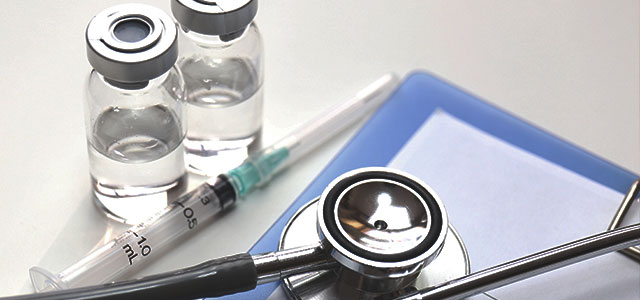
Four Steps to Take After Being Injured
When you suffer a personal injury, you’re dealing with ample stress and pain. A future lawsuit could be the last thing on your mind, but it’s important to remember that the incident could result in medical bills, lost wages, and many other expenses. Seeking legal help could be necessary, so be sure to keep your wits about you. Seek Medical Help Once the incident occurs, you should seek medical help right away. Many people dislike hospitals and avoid them whenever possible, but you should resist the urge to shrug it off and try to heal up at home. After all, the extent of some injuries may not be immediately apparent. For instance, when dealing with a head injury, it can take weeks, or even months, for symptoms to appear. Acute soft tissue injuries can result in pain that increases exponentially over time. Only a medical professional can understand the scope of these injuries. In addition, some legal jurisdictions require that you see a doctor within a specific time or you forfeit your ability to file a claim. Seeking medical attention right away is the only safeguard to preserve your future legal rights. Gather Evidence Try to obtain as much documentation of the incident as you can. If you’re sent to the hospital, contact a friend or relative to gather information for you. Video, photographs, times, dates, and audio evidence can be collected. If there were any eyewitnesses to the incident, get their contact information. Have a police report taken, and save any torn or bloodied clothing that shows the extent of your injuries. If you need to revisit the scene...Have a question? Give us a call.
1-800-ASK-FREE (275-3733)
